For decades, the music industry ran on a simple model: the label was the kingmaker. They gave you the money, the marketing, the access. You gave them the rights, the royalties, and, eventually, the reins to your creativity.
But that model wasn’t built for the streaming era.
And it definitely wasn’t built for electronic music.
EDM rose from warehouses and forums, not A&R meetings. It built itself outside the system, and now that system is scrambling to adapt.
Today’s electronic artists are turning down contracts, walking away from majors, and building empires on independence.
Not because it’s easy, but because it’s the only way to stay in control.
This is the story of how the beat flipped.
How the industry lost its grip.
And how electronic artists, DJs, producers, hybrids, are redefining what success looks like on their own terms.
The Debt Trap
The House Always Wins
Traditional label deals were never designed for the DJ-producer.
But they signed them anyway.
And in doing so, they locked a generation of electronic artists into deals that made big promises, but left them creatively boxed-in and financially upside down.
Take the standard record deal: the label gives you an advance (a glorified loan), takes 80% of your royalties, and charges every cost, studio time, marketing, tour support, against your cut.
In EDM, where a lot of artists self-produce and self-release anyway, that model is not just outdated, it’s predatory.
And if the album underperforms? You’re still on the hook. Cross-collateralization means the debt rolls forward into your next project. You’re stuck on a treadmill of advances you’ll never recoup and songs you might not even own.
The Mau5 in the Machine
Deadmau5 has never been shy about calling out the industry’s inner workings.
He’s one of the few EDM artists who’s always owned his masters, and mau5trap, his label, was built specifically to avoid the traps other artists fall into.
He’s said outright that most traditional contracts are structured to make sure the label wins, not the artist.
“I don’t care about the glitz. I care about not getting screwed.”
Many newer artists haven’t been as lucky. During the late 2010s boom, labels scrambled to sign the next Martin Garrix or Zedd, and locked plenty of producers into multi-album deals with no escape clause.
A few managed to slip free.
REZZ & the Rise of Self-Ownership
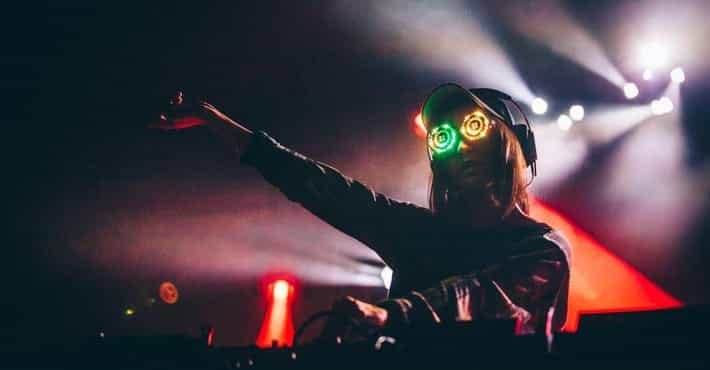
When REZZ first emerged, the industry came knocking. But she built her brand her way, partnering with labels for distribution, not dependence.
She’s since used her platform to champion mental health, fair contracts, and creative autonomy, becoming a North Star for newer acts looking to navigate the system without being devoured by it.
“I don’t want to just sign away control because a label flashes money in my face,” she told fans during a 2021 livestream.
The numbers back her up: most artists never recoup. They get an advance, maybe a video budget, and spend years in the red. Even if a track blows up on Spotify, it often isn’t enough to break even.
And while legacy artists in other genres are just now getting debt forgiveness, electronic artists have been quietly figuring out how to own more, release faster, and stay liquid. The rise of direct-to-distributor platforms (more on that later) has made that easier than ever.
But the damage is done.
There are countless producers sitting on unreleased music because the label owns it, and won’t release it.
They can’t move on. They can’t drop. They can’t grow.
The contract didn’t kill their creativity.
It just put it on ice.
The Fight for Master Rights
Who Owns the Drop?
In traditional deals, the label owns your masters. Period.
They control how your tracks are used, licensed, sampled, even how they’re heard. You might’ve made the song in your bedroom, but once you signed the deal, you gave it away.
For a long time, EDM artists didn’t even realize what they were giving up.
They were just stoked to be on a label with a logo that looked good on a tour poster.
But over time, the implications hit.
Deadmau5 Knew the Game
Deadmau5, once again, was ahead of the curve.
He refused to sign away his masters and built mau5trap to protect that right. His early hits, “Strobe,” “Ghosts ’n’ Stuff”, still earn, and he still controls them.
He didn’t just win the creative war. He won the catalog war.
Meanwhile, most of his peers weren’t so lucky. Many signed 360 deals that gave up masters in perpetuity in exchange for short-term marketing bumps.
Labels knew those deep catalogs would become cash cows.
By 2016, 66% of major label revenue came from catalog.
The songs they already owned were more valuable than anything new.
And in EDM, where remixing and licensing are part of the culture, owning your masters means owning your future.
Porter Rewrites the Emotion
Pop had its reckoning with Taylor Swift.
In EDM, that moment belonged to Porter Robinson, though in a more emotional, less explosive way.
When Worlds dropped, it was a game-changer. But it was released under Astralwerks/Capitol, meaning Porter didn’t own those original masters.
Years later, during the rollout of Nurture, Porter chose a different path. He controlled the narrative, the sound, the rollout, without traditional label interference.
And the emotional connection fans felt? That was no accident.
Ownership isn’t just about licensing rights.
It’s about emotional authorship.
When you control your art, you control how it’s remembered.
The Re-Recording Revolution
Taylor had to re-record. JoJo had to re-record.
In the EDM world, artists like Tristam, Feint, and others from the Monstercat era have talked about being unable to revisit or remix early releases due to master ownership issues, even though they’re the ones who made the music.
Some, like Pegboard Nerds, have opted to reboot old releases on their own terms, re-uploading remastered versions under different titles, just to circumvent rights traps. It’s messy. But it’s the only option sometimes.
The message is clear:
“You can be the artist, the writer, the producer, and still not own your song.”
And in a genre built on remixing, flipping, and evolving sound… that’s a creative death sentence.
Who Gets It Right
Some artists figured it out early. Rezz owns most of her newer catalog and controls how it moves. San Holo built Bitbird not just as a label, but as a shield, keeping his masters in his own hands while giving collaborators the same respect. Madeon, after navigating the fog of a major-label rollout with Adventure, came back sharper. Everything since has been on his terms. And ODESZA, through Foreign Family Collective, built a hybrid that works: major reach, independent footing.
These aren’t fringe exceptions. They’re proof that owning your masters doesn’t mean doing everything alone, it means deciding what everything looks like. It means you can say yes to a film sync, no to a licensing deal, or spin out a remix pack without waiting on boardroom permission. It means when you walk away, your music walks with you.
Too Slow for the Feed
TikTok moves fast. Labels still move like it’s 2008. A track can catch fire on SoundCloud or TikTok, and you’ve got a window, maybe a week, to act. But majors? They’re busy debating rollout calendars, staggered singles, and “alignment.” And for electronic artists, that delay can be deadly. By the time the email thread hits approval, the moment’s already gone. The algorithm doesn’t wait.
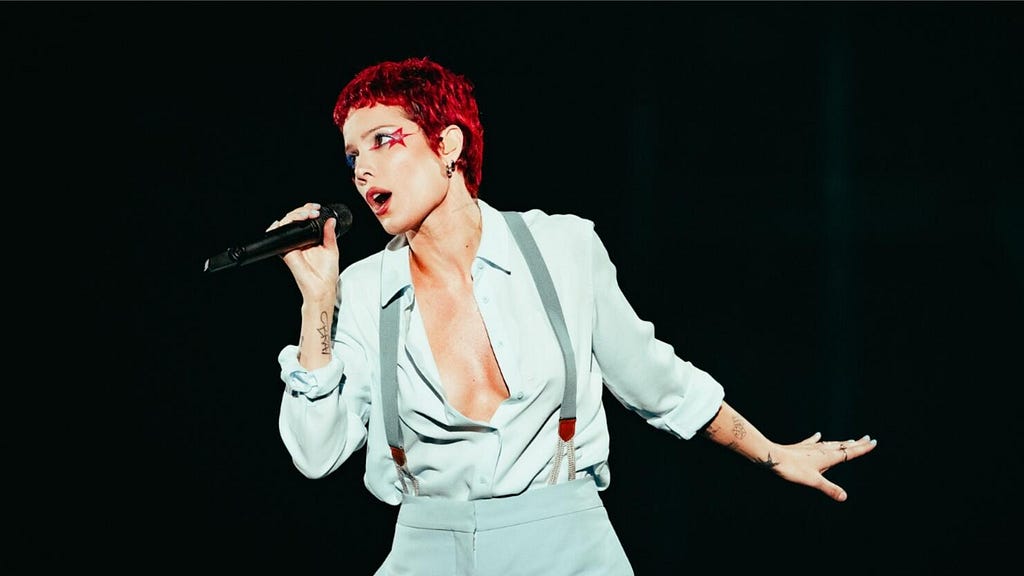
Halsey Got Delayed. So Did Half of Dance Music.
In 2022, Halsey went viral, not for a song, but for calling out her label for refusing to release one until it could “manufacture a viral TikTok moment.”
That’s not an outlier. That’s standard procedure.
In the EDM world, artists like Illenium have spoken about the frustration of sitting on finished tracks, waiting for label greenlights. During his Ascend era, fans were begging for songs they’d already heard live, but releases were months delayed due to label coordination.
Meanwhile, artists like Dabin, Seven Lions, and Said The Sky often preview unreleased songs live for a year or more before they finally drop, because label bureaucracy gets in the way.
EDM thrives on immediacy, hearing something at a show and streaming it that night.
Instead, fans are stuck with shoddy rips and half-remembered IDs.
Lost Momentum = Lost Magic
One of the clearest casualties of label delays was Skylar Spence, formerly known as Saint Pepsi. After viral success with “Enjoy Yourself” and major blog hype, he signed to a label, and then disappeared into silence as the rollout for his debut album stalled for over a year. The buzz evaporated.
More recently, Sky Ferreira’s decade-long label nightmare mirrored this.
In EDM, we’ve seen similar cases with Madeon, whose gap between Adventure and Good Faith spanned four years, some of it due to personal perfectionism, but also label logistics and delays that made fans wonder if he’d ever return.
It’s a common theme:
Labels delay in the name of polish. But by the time the song drops, the moment is gone.
Who’s Moving Fast Now
Some artists have figured it out.
They keep release autonomy, even if they have distribution deals with majors.
Knock2 previewed “dashstar*” on SoundCloud and TikTok, let it build naturally, then dropped it with almost no traditional rollout. It blew up organically, topping Spotify’s dance playlists and launching him into the spotlight.
Fred again.. did the same with his Actual Life series. Tracks leaked from livestreams, TikToks, Boiler Room sets, then got cleaned up and released within weeks.
The result? He dominated festival lineups, playlists, and algorithm charts, with no corporate delay in sight.
Even legacy artists like Skrillex are adapting.
In 2023, he surprise-dropped Quest For Fire and Don’t Get Too Close within 24 hours, zero rollout, maximum impact. Both albums hit hard, trended globally, and reminded fans why spontaneity still wins in dance music.
Lesson Learned? Speed Matters
In an attention-span economy, a great song sitting in a Dropbox folder for nine months might as well not exist.
Electronic music is fluid. It evolves on Discord servers, festival stages, and TikTok feeds, not quarterly marketing meetings.
Labels that don’t understand this are killing potential hits with process paralysis.
And artists? They’re waking up and walking away, favoring release flexibility over promotional machinery.
Because in 2025, timing is the marketing.
And if you can’t move fast, you’re just background noise.
Viral Stardom Without the Middleman
The Drop Went Viral Before the Label Noticed
Not long ago, “going viral” without a label was an accident.
Now? It’s the plan.
Electronic artists aren’t waiting for signings, A&R meetings, or promo campaigns. They’re blowing up on TikTok, SoundCloud, and YouTube with zero gatekeepers, then deciding whether a label is even necessary.
Sometimes they take the deal.
Sometimes they keep the power.
But the message is the same: the label didn’t make them. The fans did.
Knock2: Club Weapon Turned Viral Hit
In early 2022, a track called “dashstar” started popping up in DJ sets across TikTok and SoundCloud. It was loud, chaotic, and unlike anything dominating Spotify’s curated dance playlists.
Knock2 hadn’t signed a deal. He didn’t run an ad campaign. He didn’t even put it on streaming at first.
But once the ID caught traction, shared by ISOxo, Sable Valley fans, and festival clips, it exploded. When the official release finally dropped, it topped Spotify’s “mint” playlist and cracked the viral charts without traditional promo.
That single turned Knock2 into one of the most in-demand new acts in dance music, and he did it without a major label telling him what to make or when to release it.
Fred again..: Built by the Internet
Fred again.. might be the ultimate modern success story.
His rise wasn’t based on traditional singles. It was snippets. Livestream clips. Voice notes. Boiler Room IDs.
His songs felt like artifacts from the internet, unfinished, raw, emotional, and fans latched on instantly.
When “Turn On The Lights again..” dropped (with Swedish House Mafia), it had already gone viral in set leaks and TikTok edits. Fans knew the track before the label did.
It debuted high on global charts anyway, because Fred’s fanbase made it viral before any campaign began.
Even now, his team reverse-engineers the rollout: follow the buzz, then hit upload.
No press cycle. No waiting for “the right moment.” Just real momentum.
ISOxo & Sable Valley: The New Blueprint
ISOxo took the same route, just louder. Unreleased tracks leaked through blurry set clips. DIY shows turned into cult events. Fan-made edits and reposts spread like wildfire before any song had a name. RL Grime saw it coming and built Sable Valley as the amplifier, part label, part community, part battleground for the next wave of internet-native artists.
By the time ISOxo and Knock2 had a real discography, their fanbase had already built it for them. The formula wasn’t complicated: drop an ID, disappear, and let the fandom do the rest. Release when the demand hits critical mass, not when the label says it’s time.
That’s the inversion. These artists don’t fight the algorithm, they ride it. No six-month rollout, no playlist begging. Just frictionless velocity. And most of the time? They do better without the system at all.
Old Town Road: EDM Edition
Pop had “Old Town Road”.
EDM had “Astronaut in the Ocean.”
Masked Wolf, originally on a small Australian label, saw the track go viral through TikTok and meme culture. It eventually charted worldwide, before the majors stepped in.
By the time Warner pushed it further, the track was already a monster.
And back in 2013, Baauer’s “Harlem Shake” was the prototype: a SoundCloud upload turned cultural bomb. It hit #1 with no label plan at all, just YouTube chaos and meme energy.
This Is the New A&R
Labels aren’t scouting anymore. They’re watching TikTok and SoundCloud metrics.
When a song’s already viral, they reach out.
But by then?
The artist holds the leverage. They can demand ownership, shorter terms, or just walk away entirely.
The new model is simple: blow up first. Sign later, if at all.
And in dance music, where fans crave immediacy and culture spreads fast, that model is becoming the default.
Because if the fans are already streaming, clipping, remixing, and reposting…
What exactly does the label bring to the table?
The Fans Run the Algorithm Now
Labels used to decide what you heard.
Now? Fans do. Algorithms just follow their lead.
On Spotify, TikTok, SoundCloud, and YouTube, discovery isn’t a top-down process anymore. It’s chaotic, bottom-up, and mostly driven by real listener behavior, especially in EDM, where fan culture lives deep in the internet trenches.
Labels still pitch songs to editorial playlists like “mint” or “Electro Mix,” but those placements only account for a fraction of total streams.
In fact, over 70% of Spotify plays come from algorithmic and user-driven discovery, not label-controlled curation.
And in EDM? That number’s probably even higher.
Discord Is Mightier Than Billboard
Dance music’s core fans aren’t sitting around waiting for a label to bless them with a press release.
They’re in Discord servers, Reddit threads, ID-sharing channels, trading track snippets like currency.
RL Grime’s Halloween sets generate entire ecosystems of IDs and bootlegs before any official release hits platforms.
Porter Robinson’s fans clip unreleased live edits and create memes around chord progressions.
Knock2 built half his following from pixelated fan cam leaks that turned into SoundCloud bombs.
These aren’t marketing plans. They’re movements, and they often happen entirely outside label involvement.
TikTok Isn’t Just a Platform. It’s an A&R Department.
By 2024, 84% of Global Billboard charting songs were TikTok-viral first.
In EDM, songs like:
- “On & On” (Cartoon ft. Daniel Levi)
- “do you want to dance?” (REAPER)
- “Your Body Is a Weapon” (Sullivan King remix)
...found massive traction because fans turned them into moments. Not because they had label backing.
TikTok isn’t just helping break artists.
It’s deciding who breaks, and it’s often a 15-second drop, not a chorus, that does it.
If your bassline hits in a viral dance or POV video?
Congrats, you just replaced an entire label promo team.
Playlists Are Losing to Playlists (The Fan-Made Kind)
Spotify editorial playlists still have clout, no question.
But what’s dominating streams right now?
- “Rave Vibes” (200k+ likes – fan-made)
- “Boiler Room IDs” (shared in hundreds of Discord servers)
- “Fred again.. pipeline” (a meme playlist with serious numbers)
- “Mainstage PTSD” (fan-curated festival anthems)
These lists aren’t made by curators. They’re made by fans who know what they want and don’t need permission to share it.
And the algorithm helps them. If your track gets saved, replayed, or added to a few viral playlists, Spotify itself will start feeding it to more listeners. No human needed.
Fan Armies in the Rave Scene
We talk about ARMYs in pop. But EDM has its own loyalist factions:
- Porter Robinson fans: Organize release-day stream parties, tweetstorms, and emotional tributes
- Illenials (Illenium fans): Push every single to top of iTunes/Digital charts
- Sable Valley diehards: Build entire hype cycles around IDs before they even have names
- Subtronics’ Cyclops Army: Sell out tours before posters drop
These groups act like promo teams, but they’re unpaid, unprompted, and often more effective than anything labels do.
One tweet from ISOxo’s fanbase gets more engagement than an entire DSP banner campaign.
The Numbers Say It All
- Independent and fan-found music now commands 34.6% of the global market.
- Spotify’s algorithm does most of the lifting.
- The most powerful promo tool in 2025? A well-timed fan clip with a drop that slaps.
Labels haven’t disappeared, but they’ve lost their monopoly on taste.
Now, the kids on Discord, TikTok, and Reddit decide what bangs. Labels just follow the data.
As Spotify’s own music head said:
“If the song’s good, the algorithm will find someone to love it.”
If You Can’t Sign Them, Distribute Them
Major labels saw the writing on the wall.
EDM artists were blowing up on their own, skipping traditional deals, and releasing music through platforms like DistroKid, AWAL, and CD Baby.
So instead of fighting that wave, the majors decided to buy the wave.
Today, all three major labels, Universal, Sony, and Warner, own or operate distribution companies that cater to “independent” artists. You can keep your masters. You can keep your brand. But the house still gets a cut.
From DIY to “Indie-ish”
Let’s say you’re a rising EDM producer. You don’t want a major deal, but you need global distribution.
In 2021, Sony Music acquired AWAL for $430 million. AWAL had been the go-to for artists who wanted label services without label control, used by EDM acts like Little Simz, Lauv, and HONNE. Sony saw the upside:
Get a slice of the indie economy without offering advances, marketing spend, or creative input.
Universal did the same with Ingrooves, then folded it into Virgin Music Group alongside other “independent” services.
Warner already had ADA, and even tried to buy Believe (parent of TuneCore), a DIY juggernaut used by thousands of electronic artists.
The message was clear:
“If you won’t sign with us, at least let us run your distro.”
EDM Artists Riding the Middle
Plenty of dance artists now live in this hybrid zone:
- San Holo uses a combination of Bitbird + AWAL
- ODESZA distribute through Foreign Family Collective, often partnering with majors via licensing, not ownership
- Louis the Child, What So Not, and GRiZ have all utilized major distribution channels while retaining creative independence
This model appeals to EDM artists who’ve already built a fanbase and don’t need the traditional label playbook.
They want reach, not restrictions.
Think of it as “label-as-a-service” instead of “label-as-overlord.”
Labels Still Get Paid
Indie distribution platforms usually take 10–25% of revenue.
But the volume is massive.
DistroKid, which distributes 30–40% of all new music globally, is processing thousands of EDM tracks weekly.
TuneCore announced in 2024 that it had paid out over $4 billion to self-releasing artists, much of that coming from genres like hip-hop and EDM, where artists release frequently and independently.
Even if you don’t sign a deal, if your distro is owned by a major, they still win.
You’re not in the building. But you’re still on the ledger.
The Power Has Shifted, Sort Of
This setup benefits both sides:
- Artists keep ownership
- Labels get passive revenue
- No one’s locked in long-term
But it’s also a control hedge.
The majors know full well that if they own the distro rails, they can still influence the market, even if they no longer “break” artists directly.
And for every true indie distributor like DistroKid or Amuse, there’s a dozen “indie-flavored” services with major fingerprints.
EDM’s Quiet Evolution
The dance scene has always embraced autonomy, labels like mau5trap, Monstercat, Anjunabeats, and Sable Valley are technically independents, but often partner with major distributors when needed.
It’s no longer black and white: indie vs. major.
It’s modular.
And that flexibility is key for modern EDM artists who want reach without sacrificing rights.
The new question isn’t “Are you signed?”
It’s “How much of your operation do you control?”
One label exec even admitted off-record: “If we can’t own the artist, we’ll own the pipeline.” That’s not partnership. That’s containment in a new outfit. So while the hybrid model works, for now, the question isn’t just “do you own your music?”
It’s: “Do you even own the rails it rides on?”
Speed vs. Perfectionism in Releases
Stream Culture Doesn’t Wait
There was a time when artists could take 3–4 years to craft the perfect album.
That era is dead, especially in electronic music.
Today, success lives in the algorithm loop.
Release frequently, stay in playlists, feed the fans.
Pause too long, and your name fades beneath the wave of 100,000 new tracks dropped daily.
As Spotify’s CEO Daniel Ek famously said:
“You can’t record music once every three to four years and think that’s going to be enough.”
While controversial, he wasn’t wrong about EDM.
The producers who thrive in this landscape? They’re the ones who release fast, often, and iteratively
The Rise of the Rapid-Fire Era
Look at the output of today’s biggest electronic names:
- GRiZ dropped 3 EPs and multiple singles in under a year.
- Rezz often previews a track live, then releases it weeks later, riding real-time feedback.
- Knock2 and ISOxo built their empires through high-frequency SoundCloud drops and “soft leaks” via Discord.
Meanwhile, artists who waited for the “perfect” moment have watched attention drift.
Madeon, for example, went 4 years between Adventure and Good Faith. While the latter was critically beloved, the long gap made it harder to maintain streaming momentum in an algorithm-driven market.
Even with his genius, some Gen-Z fans discovered him after the fact, through remixes, not the original rollout.
Drip Feeding Beats the Big Drop
EDM artists now follow a new cadence:
- Quick singles
- Mini EPs
- Collab tracks
- Deluxe versions
- Live edits reimagined for streaming
This isn't flooding the market, it's feeding it.
Skrillex, after nearly a decade of silence, returned in 2023 with two surprise albums in two days: Quest for Fire and Don’t Get Too Close.
There was no long rollout. No big buildup.
Just:
- Show up
- Drop
- Dominate
And it worked. Fans loved the spontaneity.
It felt like the internet. Unfiltered. Real-time. Streaming-native.
Experimentation Wins
What the industry once called “B-sides” are now viable releases.
Unfinished ideas, raw vocals, collabs from Twitch streams, all fair game.
Fred again.. turned voicemail samples and iPhone memos into chart-topping tracks.
Porter Robinson’s “Musician” was built from fan energy and loose, living-room energy, released without obsessing over perfection.
Fans don’t want perfect.
They want proximity. Emotion. A glimpse into your world.
That connection is harder to build when every song takes three years and twelve rewrites.
Perfection Kills Momentum
Some of the most delayed dance albums have paid the price:
- Sky Ferreira’s sophomore album was trapped in development hell for nearly a decade, costing her cultural relevance.
- Kiesza, after breaking big in 2014, lost years to label hold-ups.
In EDM, where virality and vibes move fast, this kind of stalling is lethal.
Labels still cling to the idea of “the album era.”
But many producers now use singles like conversation points, reactive, adaptive, and in sync with fan demand.
As one indie artist put it:
“It’s better to drop a track at 90% than hold it for a year and never release it.”
The Streaming Sweet Spot
Releasing regularly keeps your monthly listeners up.
It boosts playlist chances.
It makes discovery easier.
Even Spotify’s curators have said:
“We see artists build streaming momentum when they release something every 6–8 weeks.”
That doesn’t mean quality should suffer.
But it does mean the endless polishing loop is more of a liability than a flex.
EDM artists are learning this fast.
And the ones moving at the speed of the culture are the ones staying on top.
Psychological Impact of Label Culture
When the Dream Becomes a Cage
Getting signed was once the holy grail.
For many EDM artists, it still looks that way from the outside: a major label co-sign, tour support, playlist placements.
But behind the curtain, the mental toll of the traditional label system is often devastating.
Electronic producers, in particular, struggle with a system that was never built for them, where deadlines are vague, feedback is cryptic, and creative vision is filtered through committees who don’t understand the culture.
What begins as a “break” can quickly become a breakdown.
Creative Paralysis in the DAW
When a label rejects track after track, artists stop experimenting.
They start second-guessing everything. They open Ableton or FL Studio and feel the cursor blinking like a threat.
Illenium, who was once pushed toward pop-leaning features during his label deal, admitted that he struggled with losing touch with what felt authentic.
It wasn’t until his later albums (Fallen Embers, ILLENIUM) that he clawed back control, and fans responded, labeling the return “emotional catharsis.”
REZZ has spoken openly about label expectations conflicting with her signature style.
“I’m not trying to chase radio,” she said.
“I want to make weird music that still goes off live.”
That tension, between identity and expectation, has broken more than a few promising artists.
The Waiting Room of Limbo
EDM is fast. Labels are slow.
That mismatch creates purgatory.
Skylar Spence (formerly Saint Pepsi) signed to a label, only to wait over a year to release his debut. His SoundCloud buzz vanished. The fans forgot.
The same happened to others:
- Tristam, once a Monstercat mainstay, vanished for years after conflicts behind the scenes
- Alison Wonderland has hinted at label frustrations around timing and pacing, especially as she built her Whyte Fang alias for a fresh start
This kind of stalling creates internal implosion. Artists start asking:
“Am I still relevant?”
“Is this even worth it?”
“Do I still love making music?”
Silenced By the System
Many artists stay quiet out of fear.
Speak out, and you might get shelved. Lose a tour. Be branded “difficult.”
That’s why stories like RAYE’s felt so seismic. When she finally aired her frustrations, it hit every corner of the industry, even in EDM.
Producers aren’t always vocal, but you can see it in their output.
Why are so many promising talents releasing one song a year?
Why do legendary producers fall off without warning?
Often, the answer isn’t burnout. It’s bureaucracy.
And mental health suffers. Badly.
Independence = Sanity
There’s a recurring theme:
Artists who leave the system often sound lighter, freer, more human.
- JoJo, after being trapped for nearly a decade, re-recorded her old material and cried in interviews, not from grief, but relief.
- Porter Robinson, after label hurdles and a long creative drought, made Nurture on his own timeline. It wasn’t just a comeback, it was a lifeline.
- Lucy Rose, once signed to a major, left and started her own label with equitable splits, saying:
“It felt like I was finally breathing again.”
For many, independence isn’t just about ownership.
It’s about peace of mind.
The System Knows It's Broken
Labels know they’re not blameless. Some are rolling out therapy stipends, “artistic freedom” clauses, or building indie-friendly sub-labels. But these shifts often feel like PR patches, not systemic change. And for every “progressive” clause in a contract, there’s still a hidden clause that claws back power.
One Vice investigation into artist exploitation called out the systemic harm, especially for younger or minority creators, who are often tokenized, overworked, and underpaid.
And EDM, a genre founded on self-expression and subculture rebellion, feels that disconnect harder than most.
This music was built in basements, not boardrooms.
When it gets reduced to market data and genre-blending trends, artists lose not just control, but joy.
The Real Win? Liberation
We’ve seen it time and time again:
- Skrillex, once boxed into dubstep expectations, reinvented himself on his own terms.
- REZZ, freed from pop pressure, built an entire aesthetic universe.
- Fred again.., outside the machine, built emotional narratives that fans felt in their bones.
Creative freedom is not a luxury.
It’s the foundation.
And for many EDM artists, the moment they step outside the old label paradigm is the moment they start healing.
Financial & Market Shifts in Favor of Independence
Indie Isn’t Just a Vibe, It’s a Business Model
There was a time when staying independent meant staying broke.
No longer.
In 2025, independence in electronic music is not just viable, it’s profitable.
The numbers don’t lie: DIY artists and indie labels now control over a third of the global market.
That’s not niche. That’s a takeover.
And the EDM scene? It’s leading the charge.
Streaming Flattened the Playing Field
You don’t need a warehouse full of CDs or radio payola to build a fanbase.
You need:
- Digital distribution
- A loyal following
- Good timing
- A SoundCloud link and maybe a TikTok drop
The average EDM fan doesn’t care who released the song.
They care if the drop hits. If the emotion lands. If it fits their playlist.
And that mindset gives independent artists a massive edge.
As of 2024, self-releasing artists generated $1.8 billion globally, more than the entire music revenue of some countries.
Owning the Bag: Stream Math for Indies
Let’s talk money.
- A major label deal might give you 15–20% of streaming revenue, after recouping costs.
- As an indie? You keep 80–100%, depending on your distro.
That’s why someone like San Holo can earn the same from 50 million streams as a major label artist might from 250 million.
And artists are catching on.
DistroKid now distributes 30–40% of all new songs globally.
TuneCore has paid out $4 billion+ to self-releasing artists, $1 billion in just the last 18 months.
CD Baby, Amuse, and Stem all report explosive growth in EDM and electronic-adjacent genres.
This isn’t “garage DJ money.”
This is career-sustaining cash flow, without selling your soul or your catalog.
The EDM Edge
Electronic artists have a unique advantage in this shift:
- They’re often producer + writer + performer in one.
- They’re digitally native.
- They’re used to doing it all themselves, mixing, mastering, branding, even animation.
That DIY mindset is why so many EDM artists thrive independently.
- GRiZ ran his empire solo before retirement, merch, events, vinyl.
- Rezz built a visual brand as strong as her music, on her own terms.
- Bitbird (San Holo’s label) helps artists keep rights while scaling globally.
These are not side hustles.
They are self-owned empires, funded by streams, ticket sales, sync licensing, and direct fan support.
Labels Can’t Ignore the Shift
Even the majors admit it.
Their Spotify market share has slipped slightly every year as independent output grows.
They’re fighting to retain relevance, not by dominating, but by offering à la carte services like distribution, analytics, and licensing deals.
And now? They’re competing not just with each other, but with the idea that you don’t need them at all.
That reality is giving artists leverage like never before.
Forecast: Indie Skyrocketing
MIDiA projects that indie + artist-direct revenues will hit 40% market share within a few years.
The infrastructure is already here:
- 13,000+ active indie labels
- 7 million+ artists releasing independently
- Dozens of platforms optimized for royalty splits, analytics, and global reach
In the EDM world, that translates to more creative control, more flexibility, and more ownership, with zero compromise on quality or reach.
The only thing missing from the old model? The middlemen.
Success Doesn’t Start With a Label. Sometimes It Starts After One.
Some of the biggest redemption arcs in music come from artists who left their labels, burned out, boxed in, or betrayed, only to level up without them.
Electronic artists especially seem to thrive post-label, once they’re free to follow instinct over instruction.
They take risks. They get weird.
They start making music for the right reasons again, and the fans show up in droves.
Labels love to say “we discovered them.”
But the truth is, the best versions of these artists were discovered after they left.
Skrillex: Reinvention at the Speed of Self
In the early 2010s, Skrillex was dance music’s messiah, and its punching bag.
When dubstep cooled off and the major-label wave caught up, he went quiet.
For years, fans waited. Rumors swirled. Expectations grew impossible.
Then, in 2023, he dropped two albums in two days: Quest for Fire and Don’t Get Too Close.
No press cycle. No rollout. No label hype machine.
Just sonic chaos, emotional range, and genre obliteration.
Critics called it a resurrection. Fans called it the best music of his career.
Free from formula, Skrillex reminded everyone who he really was, and proved he never left. He was just waiting to move on his own terms.
Rezz: Carving Her Own Path Through the Noise
Rezz didn’t blow up with a cosign. She built her world from the ground up.
Even when labels showed interest, she kept creative control, released music through Mau5trap and later her own imprint, and stayed brutally authentic.
At every stage where a label might have said “no”, she said “watch me.”
Her sound stayed dark, dissonant, weird.
Her fanbase? Obsessive, loyal, massive.
In 2023, she launched HypnoVizion, her own label/platform hybrid, where she signs artists who wouldn’t stand a chance in a traditional system.
Rezz didn’t just break out. She built the tunnel for others to follow.
Porter Robinson: Emotional Freedom After the Pressure
Porter’s debut album Worlds was a major-label success, but it also became a burden.
The expectation to follow up nearly crushed him.
He spent years battling writer’s block, depression, and the invisible weight of industry pressure.
Then, free from major-label timelines, he made Nurture.
It was raw. Vulnerable. Imperfect on purpose.
It was the sound of a man finally making music for himself, not for marketing plans.
Nurture didn’t just resonate, it became a cultural reset.
Fans tattooed lyrics. Cried in parking lots. Lined up for miles.
That album wouldn’t have happened under a traditional label system.
It happened because Porter chose freedom first.
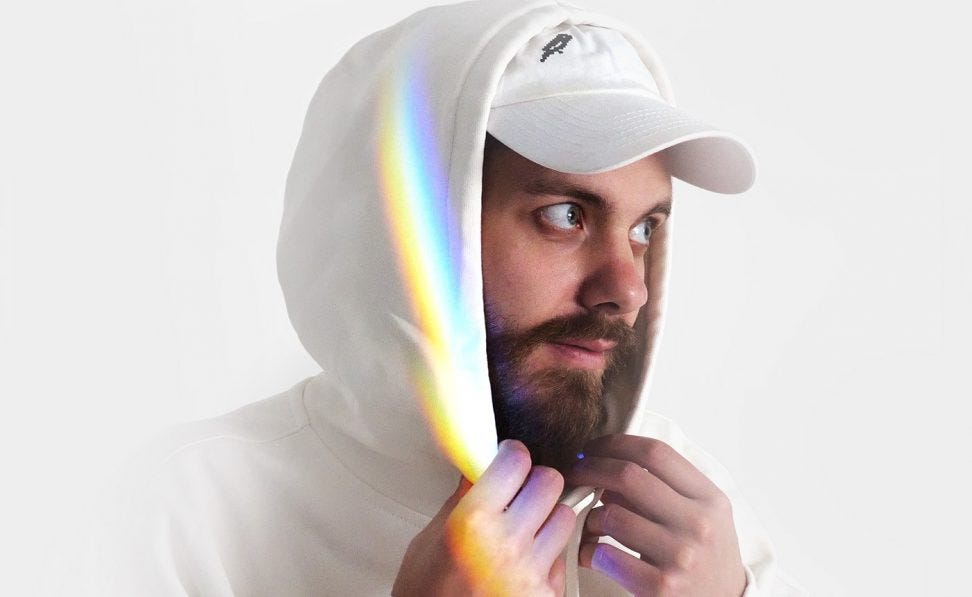
Bitbird and the New Indie Renaissance
San Holo could’ve signed anywhere.
Instead, he built Bitbird, a label for “emotional electronic” music that majors wouldn’t touch.
By staying independent, he:
- Released what he wanted
- Kept his masters
- Built a brand that fans trusted
- Helped other artists (like Duskus, Taska Black, and DROELOE) find their voice
His project bb u ok? thrived because it felt like him, not a compromise.
And the money?
With touring, merch, syncs, and 100% rights?
He’s doing just fine.
Bitbird isn’t just a label. It’s a signal: you can build the world you want without waiting for permission.
The Pattern Is Obvious Now
- RAYE went #1 after being told she “wasn’t ready”
- JoJo won a Grammy after re-recording the music her label buried
- Fred again.. became dance music’s most beloved storyteller by rejecting conventional structure
- Alison Wonderland created an alter ego (Whyte Fang) to escape label baggage and start fresh, independently
The thread connecting them all?
Autonomy unlocked creativity
Creativity unlocked connection
And connection unlocked success
What This Means for EDM Artists Now
If you’re an up-and-coming producer, here’s the reality:
- You don’t need to wait for a label.
- You don’t need to compromise on sound.
- You don’t need to bend into a genre box or chase a trend.
The most impactful EDM artists of this era aren’t the ones who fit the mold.
They’re the ones who broke it, rebuilt it, and painted it neon.
Signing doesn’t make you real.
Ownership does.